THE FIRST HALF OF THE SEVENTY (1970 - 1975). From Subway to Space
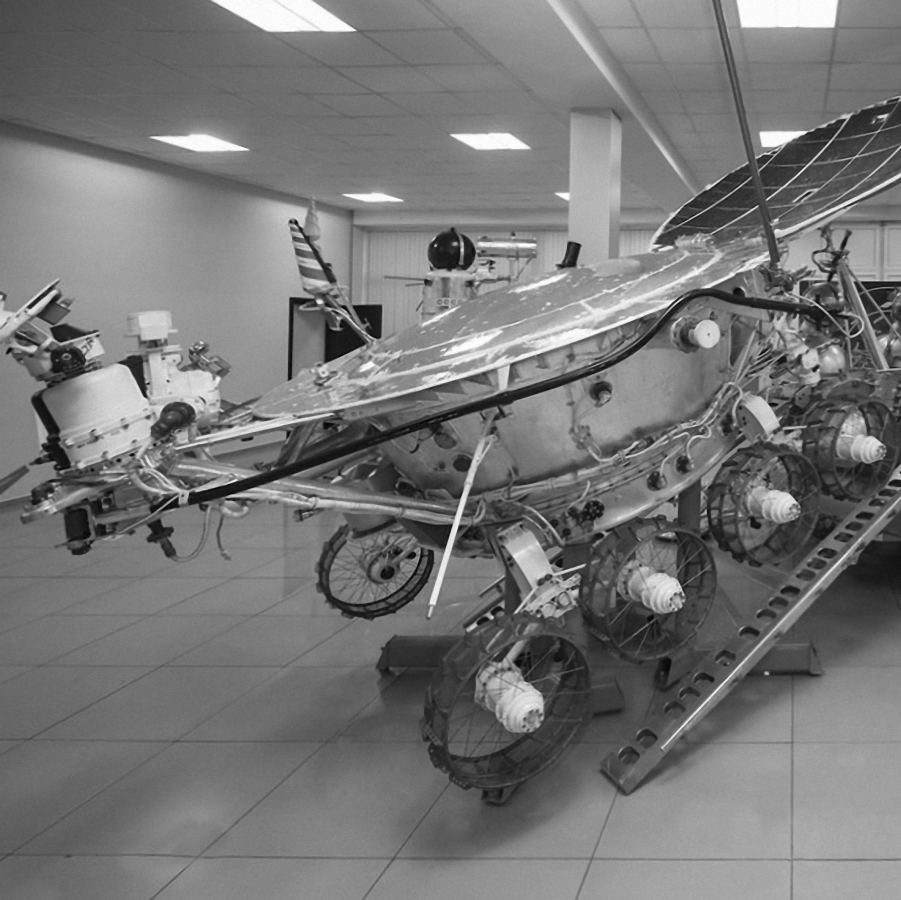
GENERAL ENGINEERING DESIGN BUREAU
It all began when a branch of the General Engineering Design Bureau was opened in Tashkent in 1969. The bureau was tasked with developing equipment for further exploration of the Moon – at that time, American cosmonaut Neil Armstrong had already set foot on the lunar surface, and the USSR did their best to keep up with the United States. In 1975, specialists from the Tashkent branch designed the LB-09 soil-sampler for the Soviet automatic interplanetary station Luna 24. It was launched from the Baikonur Cosmodrome on 9 August 1976. The mission obtained the first convincing evidence of the presence of water on the moon.
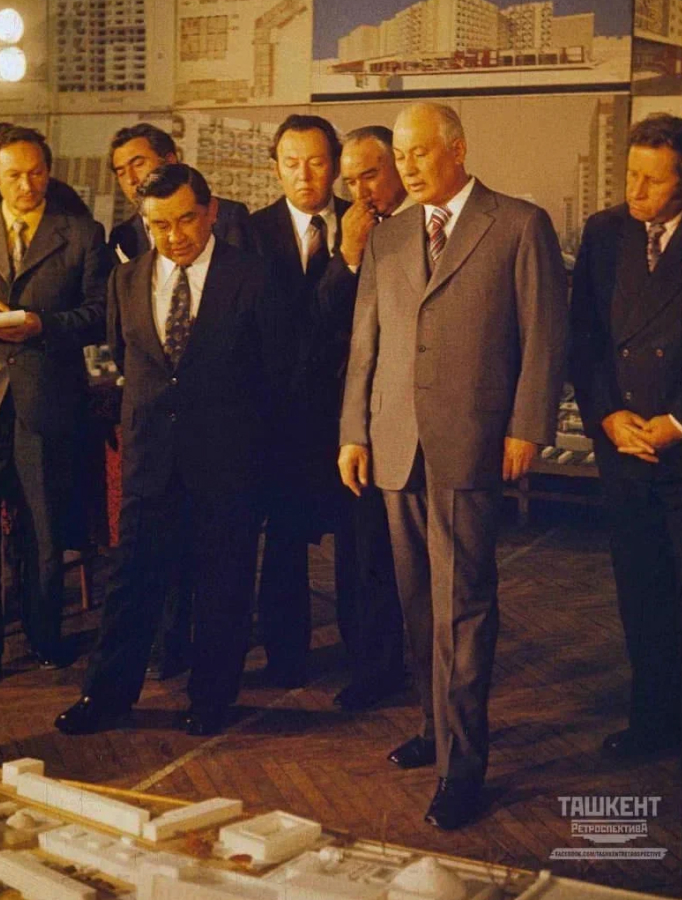
The underground was being constructed for six years by Moscow and Tashkent engineers. Throughout this time, Sharaf Rashidov personally monitored the progress of the project. On 19 November 1971, he saw the first soil sampling at the construction site of the future Chilanzarskaya station, and on 6 November 1977, on his birthday, he attended the opening of the underground. Without his active position, which he defended in Moscow on this issue, this object could hardly have appeared in Uzbekistan at all. The launch of the underground was a gift not only to the city, but also to the head of the republic, who at that time was already called "ota" – the father of the nation.
The Tashkent metro was the first in Central Asia and became one of the city's main attractions. The design of most of the stations was already dominated by the traditional Uzbek artistic style and characterised by combinations of materials extracted in Uzbekistan: granite, marble, tuff, coloured pumice and semi-precious stones. All this underground splendour and luxury amazed both city residents and tourists.