IN THE EARLY 1970S, UZBEKISTAN WAS CONSIDERED ONE OF THE MOST STABLE AND ECONOMICALLY DEVELOPED REPUBLICS IN THE USSR.
"In pre-revolutionary Turkestan, the industry was represented by only a few dozen semi-industrial enterprises. Currently, there are more than 1,000 industrial branches in the Uzbek SSR. Diversified engineering, energy, chemical, oil, coal, gas, mining, metallurgical, light, food and other industries, as well as the construction industry, have reached a high level of development in the republic. The industrial capacity in 1971 was 119 times higher than in 1924, the year of the establishment of the Uzbek SSR. Industrial and agricultural products in Uzbekistan are now supplied to all fraternal republics of the USSR and exported to more than 70 countries in the world," Sharaf Rashidov noted in 1972 in an article for Literaturnaya Gazeta (Literary Newspaper).
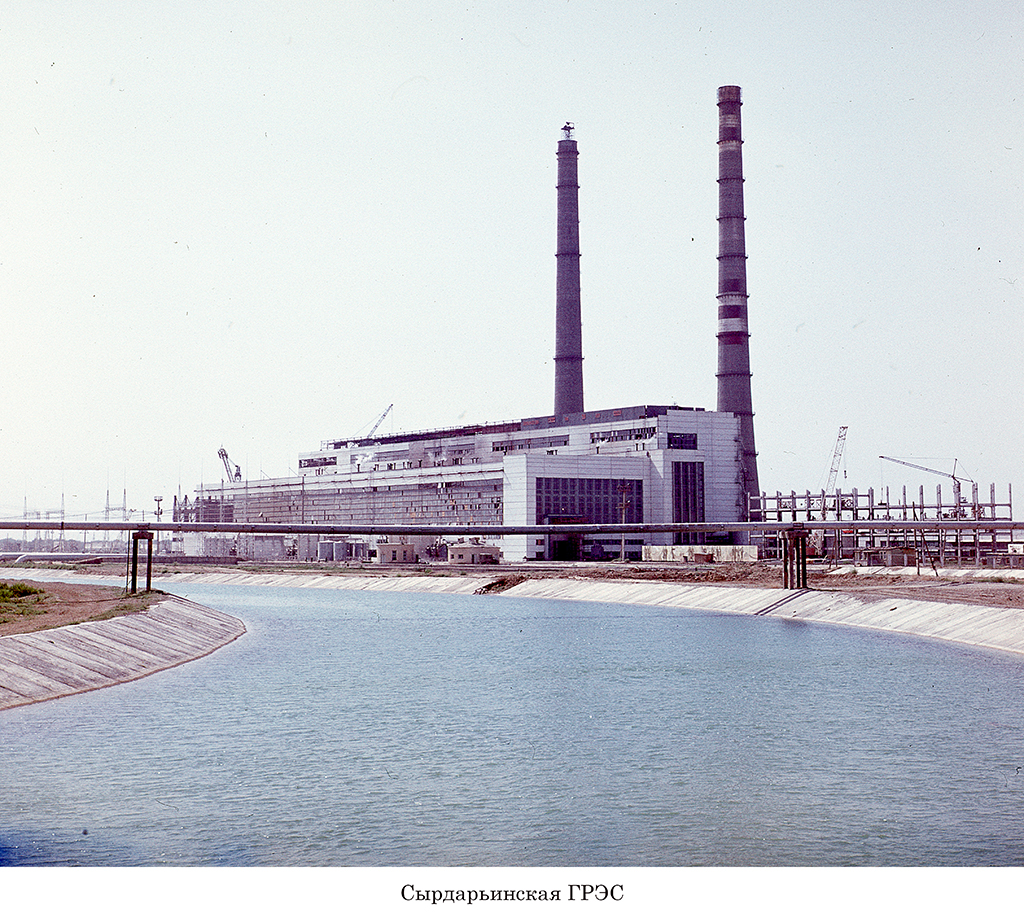
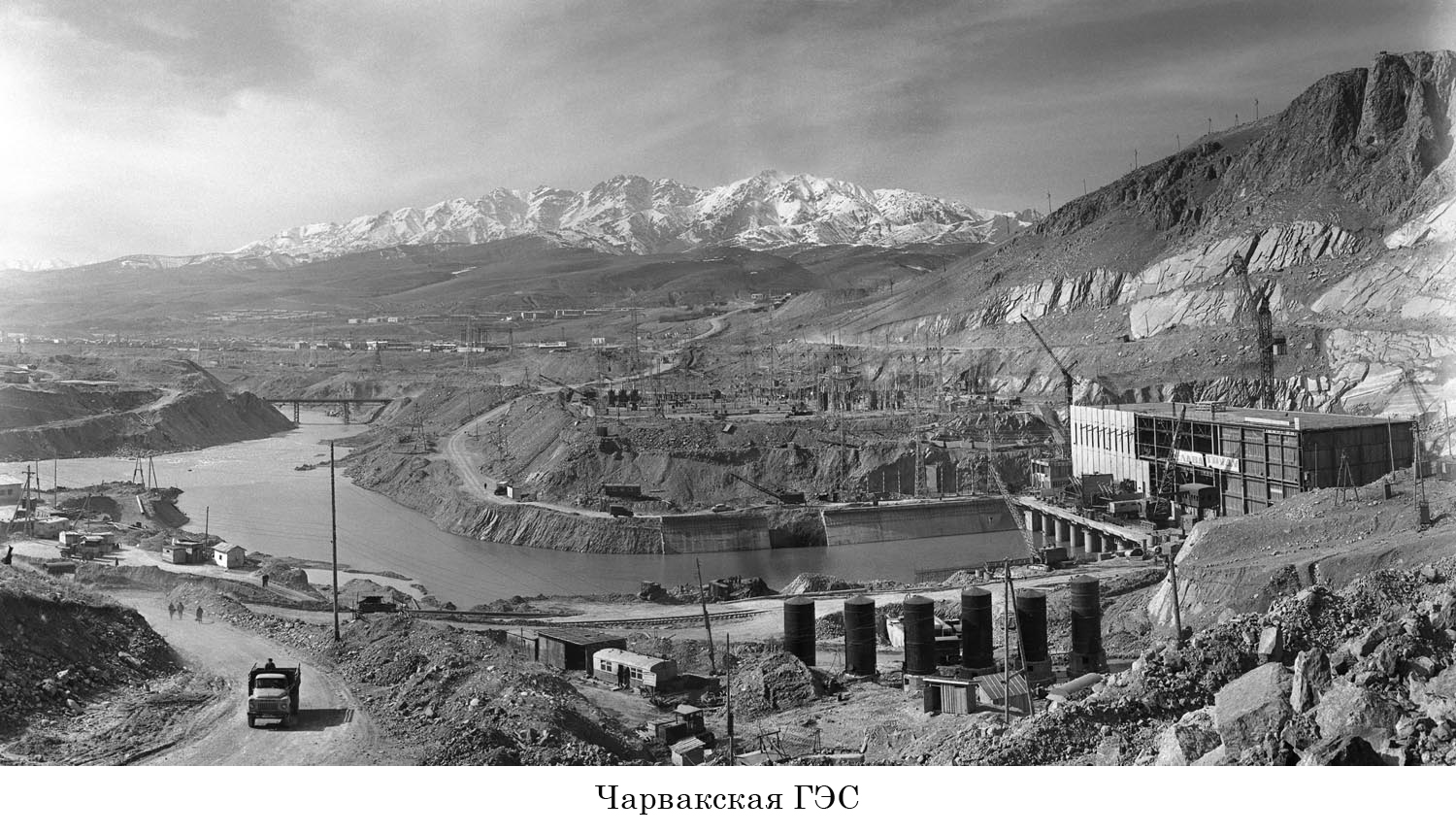
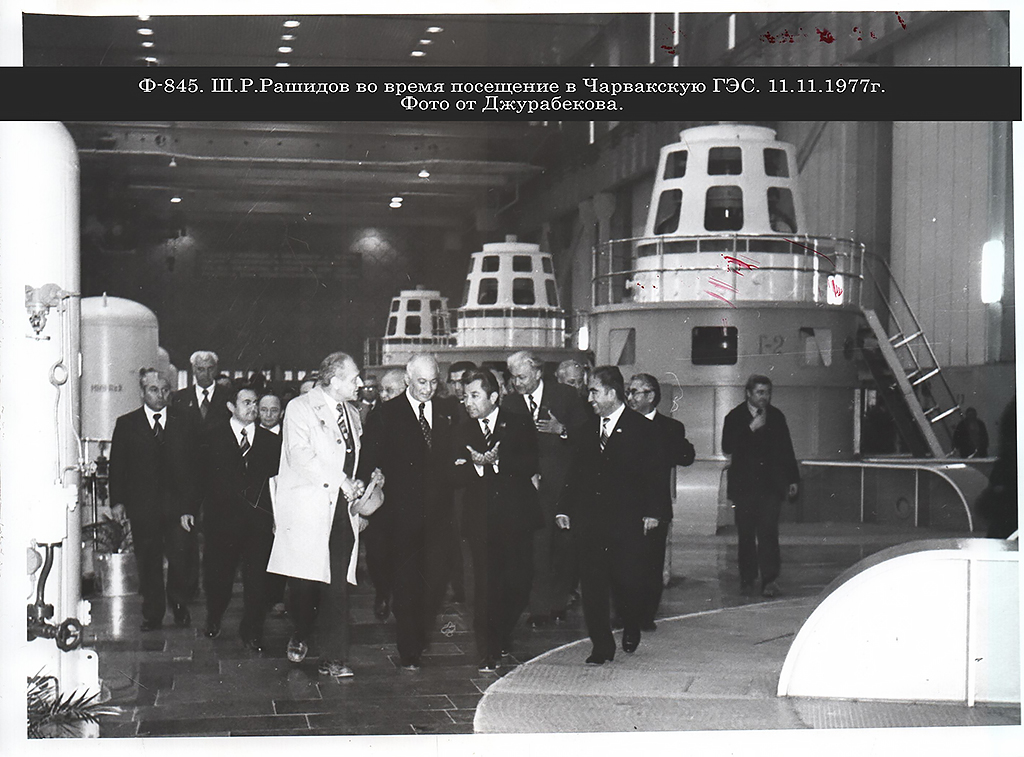
In 1972, Uzbekistan launched the first turbine at the Syrdarya State Regional Power Plant and the fourth turbine at the Charvak HPP. New cotton mills were put into operation in Syrdarya and Andijan regions and the Karakalpak ASSR. A new shoe factory was opened in Tashkent. In 1973, a factory producing household refrigerators was put into operation in Samarkand, and a service centre of the Volga Car Plant was built in Tashkent. In the light industry, the first section of the Bukhara Cotton Mill, the Kokand Chrome Leather Factory, the Navoi, Takhtakupyr and Chartak cotton gins were opened. The number of residential buildings also grew rapidly. In 1972, at the expense of the state, collective farms and people, about 100,000 apartments and individual residential buildings with a total area of 5,217,000 square meters were put into operation in Uzbekistan. The living conditions of 601,000 people were improved, and almost all of them received the apartments for free.
ALL THIS IS PARTIALLY THE PERSONAL MERIT OF SHARAF RASHIDOV. IN THE 1970s, HE WAS AWARDED FOR THAT: IN 1972, HE RECEIVED THE ORDER OF FRIENDSHIP OF PEOPLES, AND IN 1974 THE ORDER OF THE OCTOBER REVOLUTION.
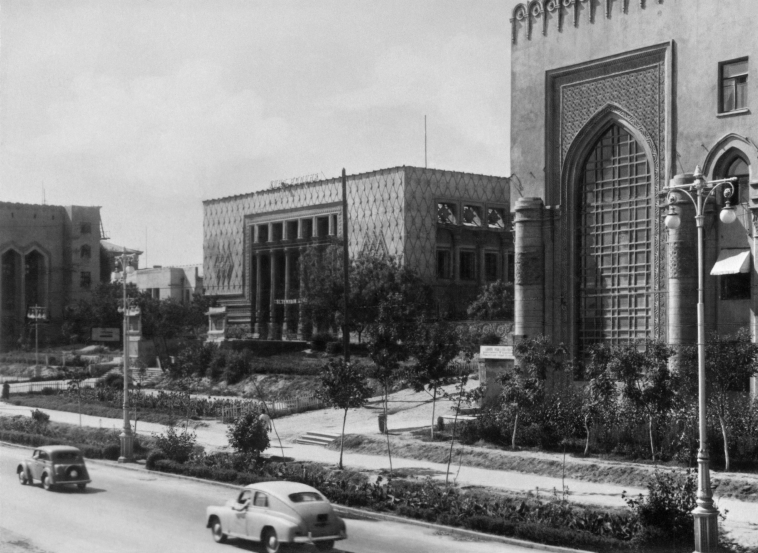
People in Uzbekistan in the early 1970s had quite high living standards: the average monthly salary of factory and office workers in 1972 was 121.2 roubles. Payments and benefits were growing at that time, but prices for food did not change. Later, this time would be referred to as stagnation period – from an economic point of view, this stagnation should be perceived as a positive phenomenon: people lived stably.