en
ru uz
MenuClose

The online museum was created with the support of the Sharaf Rashidov International Foundation.

Sharaf Rashidov — an outstanding statesman, a famous writer who led the republic in extremely difficult years

The online museum was created with the support of the Sharaf Rashidov International Foundation.

Sharaf Rashidov — an outstanding statesman, a famous writer who led the republic in extremely difficult years

WAR (1941 - 1945)

WAR (1941 - 1945). SHARAF RASHIDOV AS VOLUNTEER
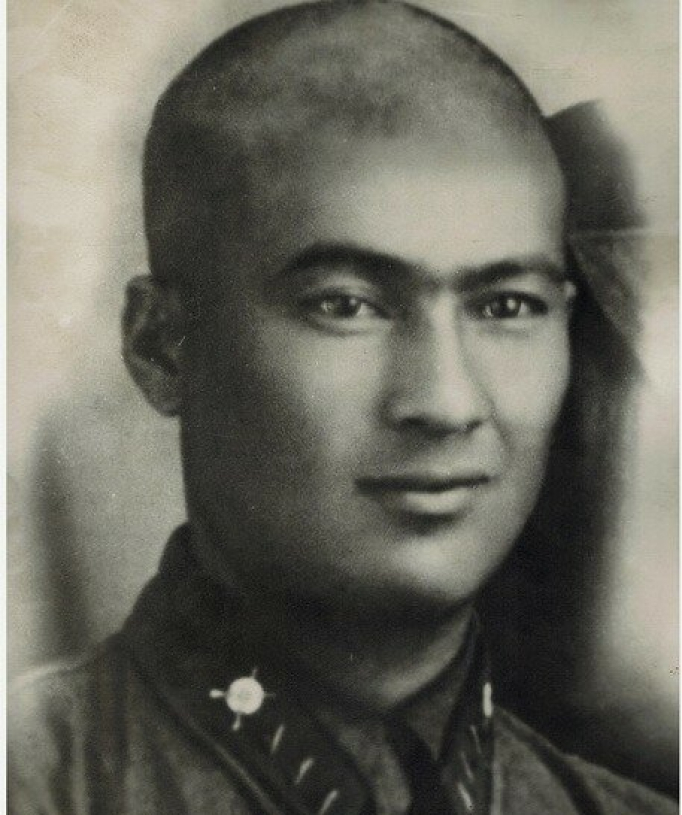
IN 1941, SHARAF RASHIDOV, ALONG WITH A GROUP OF FELLOW STUDENTS, ENLISTED IN THE RED ARMY. HE WAS SENT TO AN INFANTRY SCHOOL IN THE CITY OF FRUNZE, THE CAPITAL OF THE KYRGYZ REPUBLIC.
The course was to be four months long, but after six weeks, due to the difficult situation at the front, the entire first group of students, consisting of people with higher education diplomas and students of universities, was sent to fight near Moscow.

Appointed komsorg

Aged 23, Sharaf Rashidov, along with his classmates, was sent to the North-Western Front as part of the 191st Red Banner Novgorod Rifle Division and fought in the Volokolamsk direction near the Istra River. Almost immediately he was elected Komsorg (Komsomol secretary), and after the commander and senior political instructor were wounded, he took command as a junior political instructor.
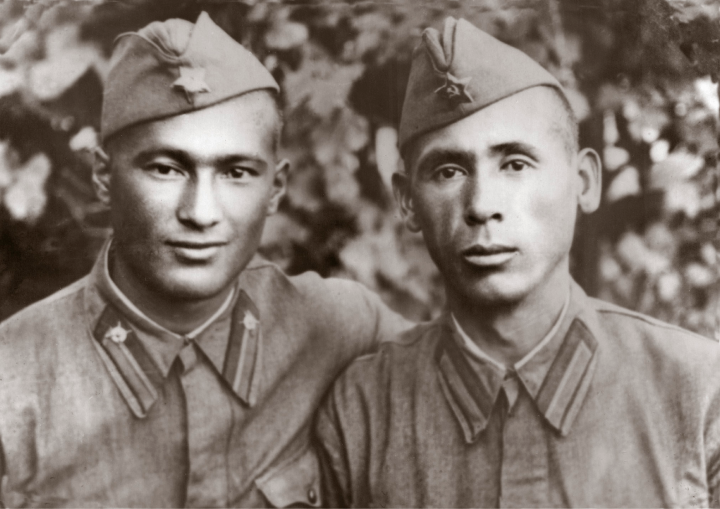
"OUR 2ND BATTALION WAS TASKED WITH CAPTURING THE VILLAGE OF MARFINO. WE REMEMBER HOW, BEFORE THE START OF THE BATTLE, KOMSORG SHARAF RASHIDOV TOLD US THAT WE WOULD HAVE TO FIGHT TO THE DEATH, THAT WE COULD NOT RETREAT. MARFINO WAS LIBERATED FROM THE NAZI. EVEN MORE TERRIBLE BATTLES WERE FOR THE VILLAGE OF PENA. ALWAYS IN THE THICK OF THE BATTLE, KOMSORG SHARAF RASHIDOV SHOWED GENUINE COURAGE, SERVED AS AN EXAMPLE OF PERSEVERANCE AND COURAGE IN BATTLE. OUR UZBEK COMPATRIOTS FOUGHT ALONGSIDE HIM," TURSUN BABAKHANOV, ZUBAYDULLA TAGAEV AND ALEXANDER UBERSKY RECALL.

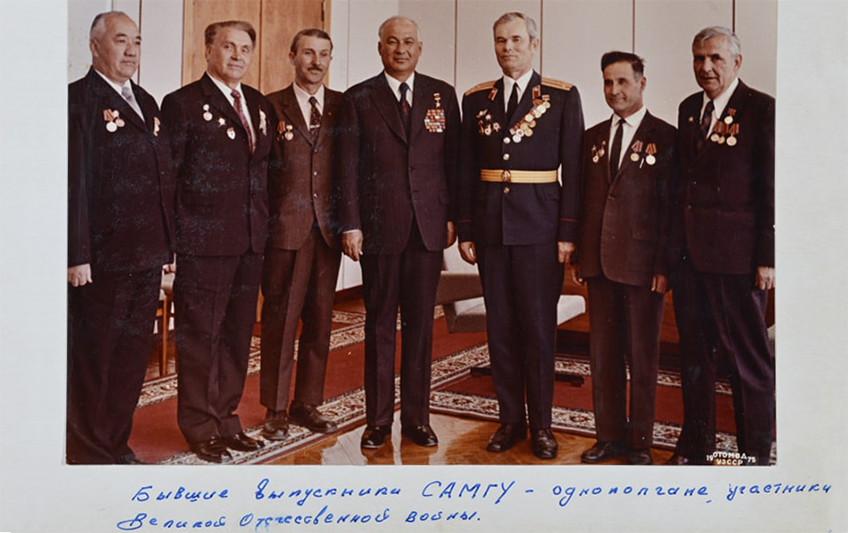
He took the invasion of the Nazi Germany on the entire Soviet Union, which included Uzbekistan as one of its republics, as a national disaster. In total, about 2 million conscripts from Uzbekistan fought on the Soviet-German front. In the first days of the war, municipal and district military enlistment offices received over 14,000 applications from volunteers. In total, 1,951,000 people from Uzbekistan participated in the war. 538,000 of them were killed and 158,000 were missing. 658,780 Uzbek people did not return home from the war, with 640,000 people injured. Only 134,450 soldiers returned to their homeland relatively able-bodied (9.4%). Such are the sad statistics of this terrible war. Many Uzbeks showed courage in the battles: more than 200,000 were awarded military orders and medals, 301 were awarded the title of Hero of the Soviet Union, 70 soldiers became full holders of the Order of Glory. For courage and bravery, many citizens of Uzbekistan were awarded orders and medals from Poland, Hungary, France, Italy and other countries. Historian A. Vdovin: "Throughout the war, the state ideology aimed to strengthen patriotism and interethnic unity in the peoples of the USSR. Citizens of all nationalities were conscripted into the Red Army, and they fought for their common Homeland at the front. In the most difficult time of the war, when the army was, in fact, destroyed by the enemy, and the Ukrainian and Belarusian lands were occupied, it was necessary to use the demographic potential of the non-Slavic peoples of the USSR to a greater extent.
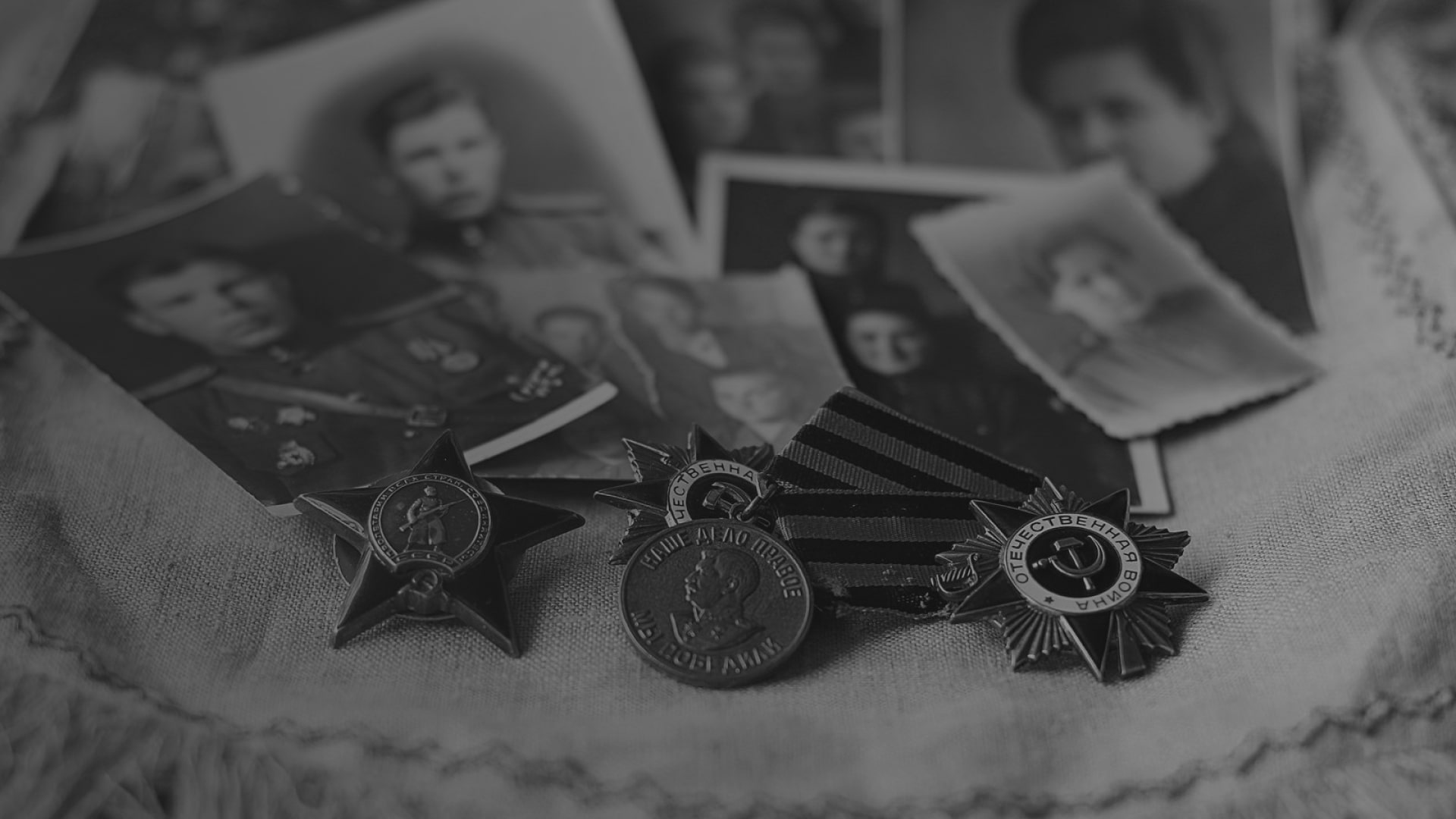
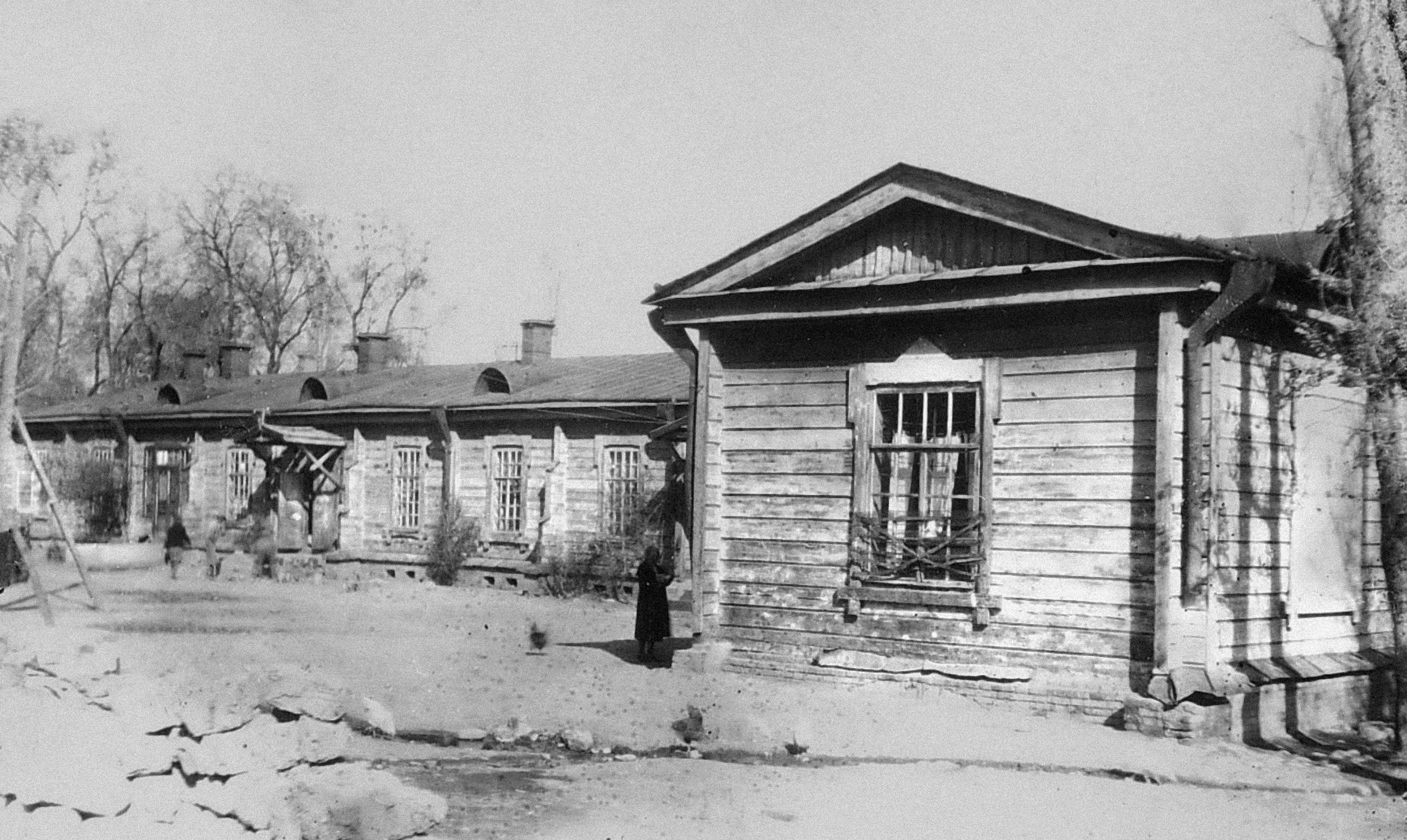
The national republics of the East accepted the evacuated enterprises, were involved in the organisation of their work, did all they could for the common struggle. Since August 1941, trains with evacuated population began to arrive in Uzbekistan. Of the 1.5 million people that were evacuated, more than 250,000 were children and teenagers. Uzbek land became a second home for them. Residents of the republic showed great care about the evacuees, helped with housing, food and clothing. A special focus was on the children that lost their parents. On 2 January 1942, the women of Tashkent appealed to all women in Uzbekistan to show maternal care for these children. By August 1942, about 3,000 Uzbek families had adopted evacuated children and refused financial assistance from the government. The strengthening of the fraternal community of peoples was one of the leading topics of propaganda, which was quite fruitful: the friendship between the peoples generally passed the difficult test..." The war united the entire Soviet people in the hardest and most brutal struggle against fascism.