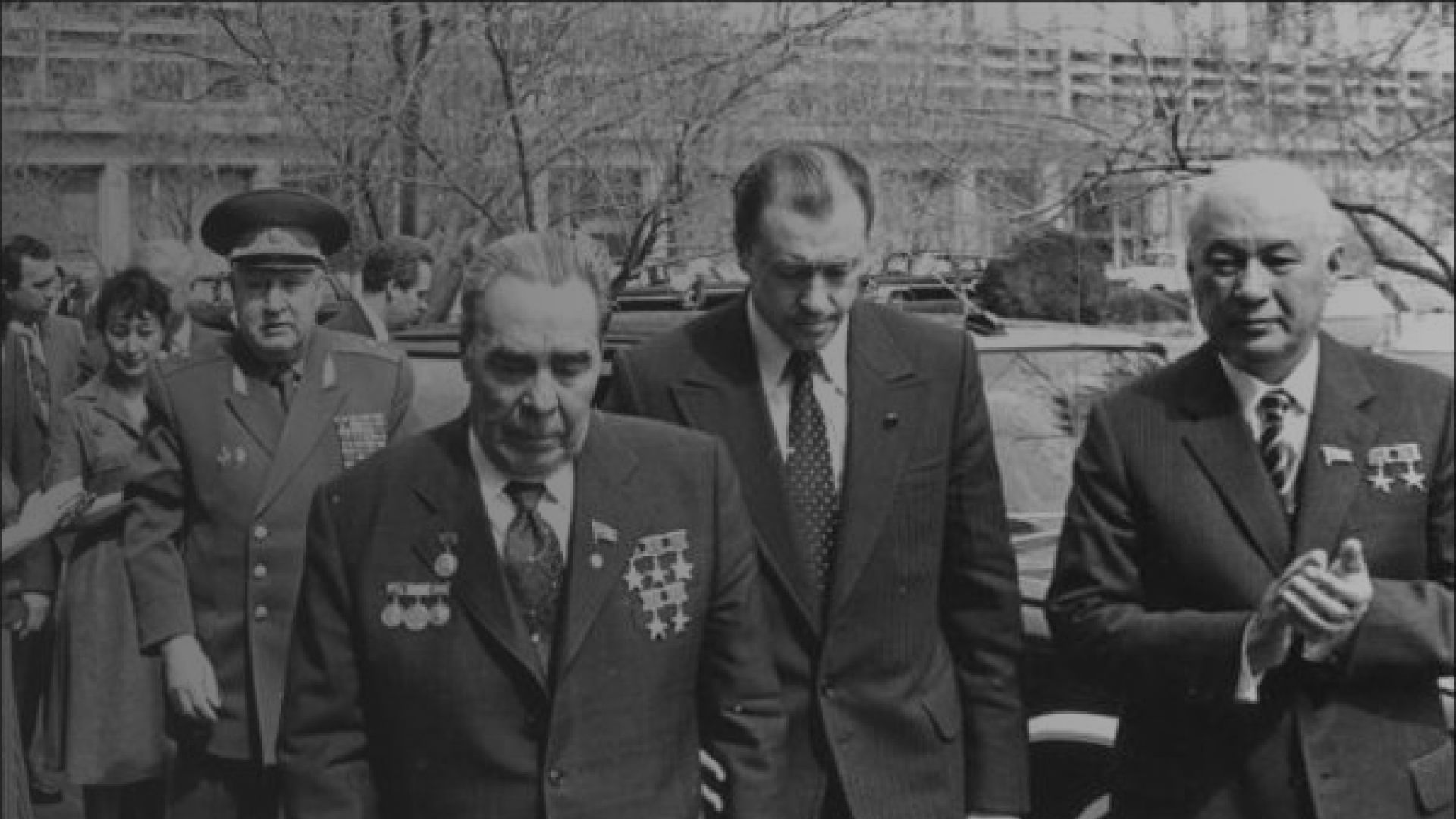
EIGHTIES (1980 - 1983). THE COTTON CASE: AFTER RASHIDOV'S DEATH
Although Yuri Andropov passed away shortly after Sharaf Rashidov's death in February 1984, the "Andropov landing troops" in Uzbekistan continued their repressive activities.
In a very short time, Sharaf Rashidov was transformed from a "prominent Soviet state and party figure" into a man who "misinformed the Soviet government and party organisations about the state of affairs in the republic", and "facilitated corruption and falsification". At the 16th Plenum of the Communist Party of Uzbekistan, he was publicly called a state criminal, and members of the Central Committee Bureau headed by him were arrested.
EGOR LIGACHEV: "ACCORDING TO REPUBLICAN STATE INSTITUTIONS, MORE THAN 500,000 TONNES OF RAW COTTON WERE ADDED TO RECORDS ANNUALLY THROUGH FALSIFICATION. IT HAS BECOME QUITE OBVIOUS THAT MANY ASPECTS OF THE ACTIVITIES OF THE UZBEK BRANCH OF THE COMMUNIST PARTY AND ITS FORMER LEADER RASHIDOV NEED TO BE REASSESSED; MAJOR STEPS ARE TO BE TAKEN TO IMPROVE THE SOCIO-ECONOMIC SITUATION IN THE REPUBLIC AND ELIMINATE SERIOUS SHORTCOMINGS IN ORGANISATIONAL AND POLITICAL WORK."
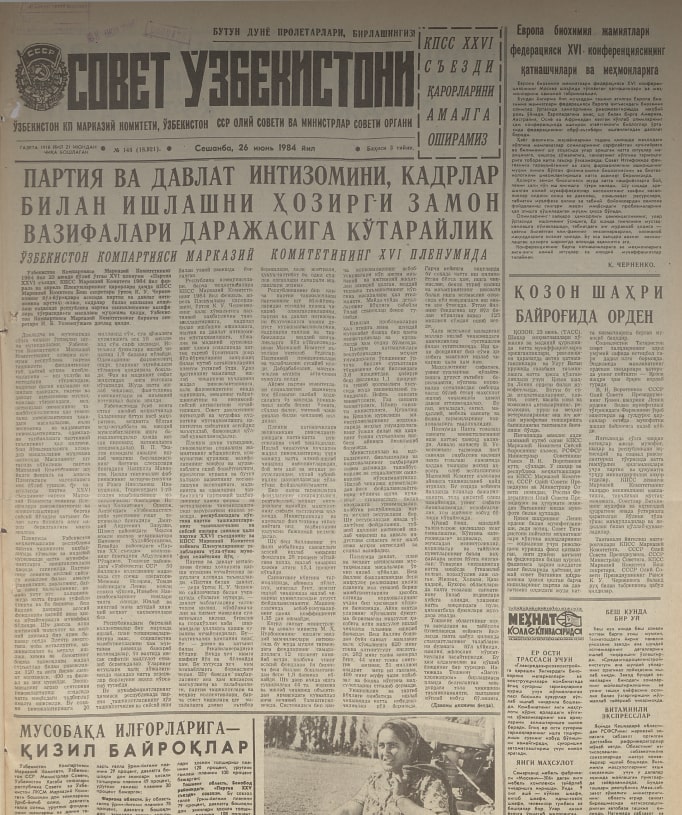
"REASSESSMENT AND MAJOR STEPS"
The "reassessment" and the taking of "major steps" began immediately. Sharaf Rashidov's ashes were exhumed and reburied at the Chigatai cemetery – according to historians, Moscow wanted to check the rumours that Sharaf Rashidov was not actually buried in the square. Not only Sharaf Rashidov fell into disfavour, but also his family did. His relatives were fired from their jobs and deprived of flats.
Among those convicted within the cotton case were: 430 directors of state farms and chairmen of collective farms; 1,300 of their deputies and chief specialists; 84 directors of cotton factories and 340 chief specialists in these factories; 150 specialists in the light industry of Uzbekistan, the RSFSR, Ukraine, Kazakhstan, Georgia and Azerbaijan; 69 party members are working for the Ministry of Internal Affairs and the Prosecutor's Office. By the summer of 1986, 22,000 people were brought to trial.
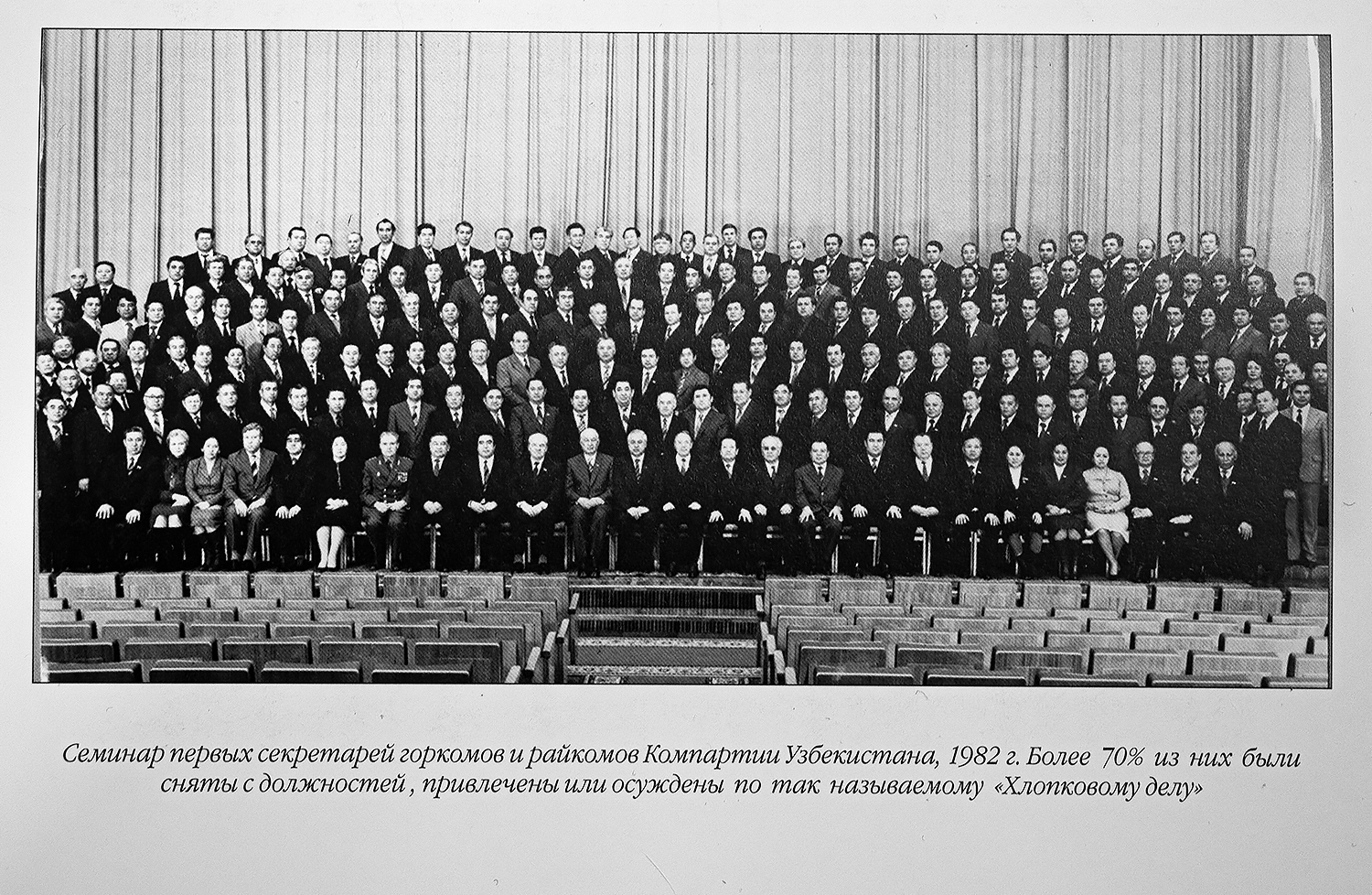
But, despite efforts to present the "cotton case" as an inherent Uzbek one, it soon became clear that the main crime was committed not in Uzbekistan – its prerequisites were laid in Moscow. When Gdlyan and Ivanov developed the case from "Uzbek" to "Kremlin", revealing bribery on all levels in the central government in Moscow, they were dismissed.
ANATOLY SOBCHAK LATER NOTED THE SPECIAL SIGNIFICANCE OF THE ENTIRE OPERATION: "THE UZBEK COTTON CASE COULD BE CALLED THE CRIME OF THE CENTURY, BUT SUCH THINGS HAPPENED THROUGHOUT THE COUNTRY AND IN OTHER SPHERES OF OUR NATIONAL ECONOMY AS WELL."