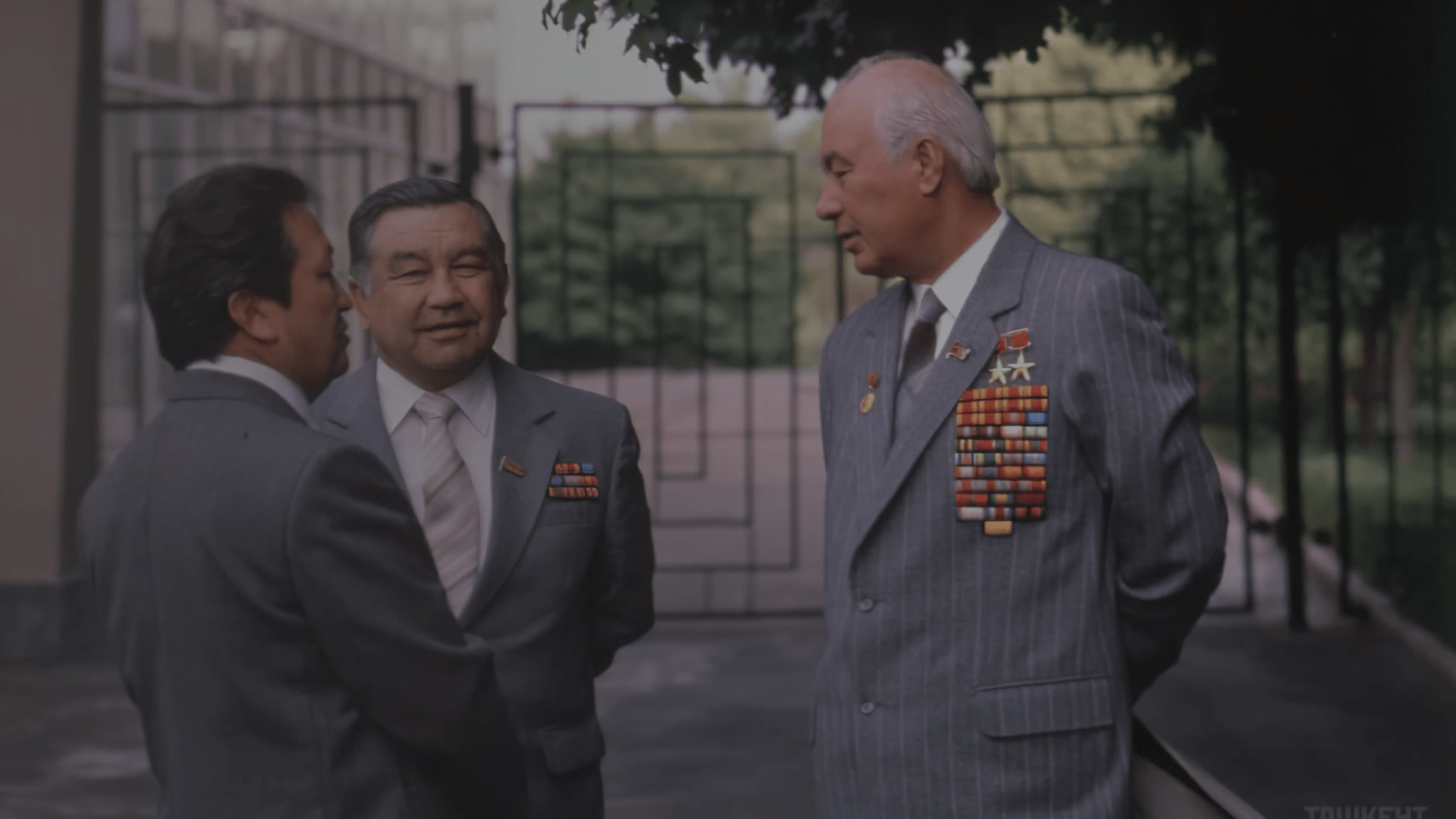
EIGHTIES (1980 - 1983). THE COTTON CASE: THE BEGINNING
YURI ANDROPOV WAS A CONTROVERSIAL POLITICAL FIGURE. IT GENERALLY REFLECTED THE COMPLEXITY OF THE SOCIO-POLITICAL DEVELOPMENT OF THE COUNTRY AT THAT TIME. FROM BREZHNEV, HE INHERITED THE INDUSTRY AND AGRICULTURE DEPRESSED IN ALL SECTORS, STAGNATED IDEOLOGY, DEGRADED PUBLIC LIFE, CORRUPTED OFFICIALS, GROWING ALCOHOL USE BY ORDINARY PEOPLE AND APPROVALS ECONOMY
Yuri Andropov, the former chairman of the KGB of the USSR, decided to begin his reforms with the elimination of the omnipotence of the party elite by initiating proceedings to investigate numerous cases of corruption in the party and the government.
One of these criminal cases was associated with the government of Uzbekistan.
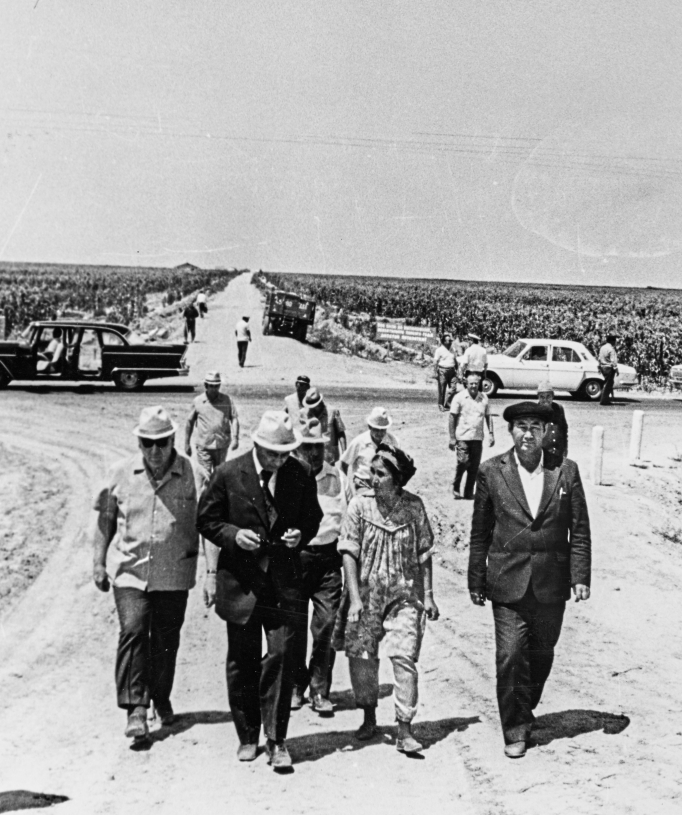
The General Secretary himself initiated the investigation of the Uzbek case. There were two main reasons for that: Yuri Andropov's personal dislike of Sharaf Rashidov because of his good relations with Brezhnev and the desire to remove him from office with the help of this case; frequent reports by Academician Mirzavali Mukhamedzhanov about the unacceptable situation in Uzbekistan, in which he revealed the falsification mechanism in the production and delivery of cotton all along the production chain – from the field to the factory. The criminal proceeding were launched by the chairman of the KGB of the Uzbek SSR Levon Melkumov.
Egor Ligachev, the new head of the Department of Organisational and Party Work, also actively collected information related to corruption in Uzbekistan.
AS A RESULT, IN FEBRUARY 1983, THE POLITBURO OF THE CPSU CENTRAL COMMITTEE ADOPTED A RESOLUTION ON THE INVESTIGATION OF ABUSES IN THE COTTON INDUSTRY OF UZBEKISTAN AND INSTRUCTED THE PROSECUTOR GENERAL'S OFFICE OF THE USSR TO FORM AN INVESTIGATIVE COMMISSION. IT WAS HEADED BY INVESTIGATORS TELMAN GDLYAN AND NIKOLAI IVANOV. IN 1983, THEY BEGAN LARGE-SCALE INVESTIGATIONS OF CRIMINAL CASES, WHICH WERE UNITED UNDER THE COMMON TITLE OF THE COTTON CASE.
The first mass arrests were made in Bukhara in April, but soon Uzbekistan turned into a training ground for the mass purge of party and government personnel. No other Soviet republic experienced an upheaval, such as that Moscow organised in Uzbekistan in 1983-1984. But in terms of corruption scale among officials, Uzbekistan was far from leaders among the republics and regions of the Soviet Union.